|
|
| |
 |
|
|
|
Decreasing food losses important part of food security
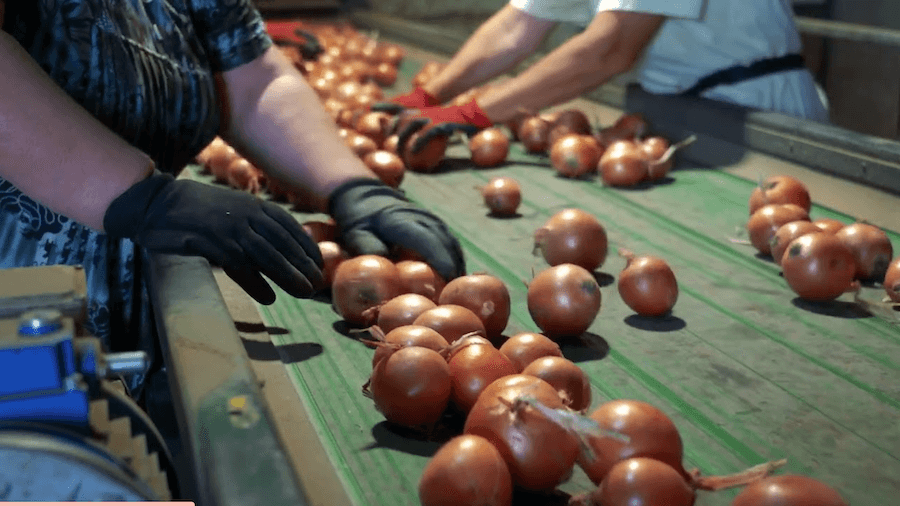
“In India, according to a 1999 World Bank Report, post-harvest losses amount to 12 to 16 million metric tons of food grains each year – an amount that the World Bank stipulates could feed one third of India’s poor,” said Philip Nelson, a Purdue University food scientist.
|
|
|
Full
Story |
|
| |
UGA process turns forests, farm waste into fuel
An innovative process for turning waste biomass -- such as dead trees, agricultural waste and lumber byproducts -- into a liquid fuel to power conventional engines has been licensed by the University of Georgia Research Foundation, Inc. to Tolero Energy, LLC, a private biofuels company based in Sacramento, Calif.
|
|
|
Full
Story |
|
|
|
|
Full
Story |
|
|
|
Male or female? The chicken industry cares
Chickens, like most animals, typically produce equal numbers of males and females. But this natural sex ratio doesn’t always work in the poultry industry’s economic favor. A University of Georgia researcher is working on ways to skew the chicken’s sex ratio to help the industry streamline production and make more money.
|
|
Poultry Science Department
|
Full
Story |
|
|
|
Electrified water packs powerful health punch
Health-conscious consumers know the benefits of eating high-antioxidant foods like fruits, vegetables, beans and nuts. A University of Georgia researcher has uncovered a way to provide antioxidant-rich water in a bottle.
|
|
|
Full
Story |
|
|
|
U.S. energy legislation forward thinking, limiting
The Energy Independence and Security Act of 2007 charges the U.S. to add 36 billion gallons of biofuels to the country’s transportation fuel mix by 2022. Continued investment in research, development and deployment are required to achieve this goal. However, studies show weaknesses in expanding a crop-based fuel system without planning for sustainability.
|
|
|
Full
Story |
|
|