The University of Georgia College of Agricultural and Environmental Sciences
Georgia FACES SEARCH STORIES:  
"News to use about Georgia Family, Agricultural, Consumer & Environmental Sciences"    November 23, 2009


  Calendar
  Economics
  Environment
  Home and Garden
  Lifestyles
  Science
  State & Region

The University of Georgia
UGA Home
CAES Home
GA FACES Home
 
Latest News
Media Resources
Tips & Trivia
Q&A
Special Info Sites
Images
Infographics
Other News
Search Archives
 
Subscribe Me!
About Us
Contact Us
   
 
March 1, 2007
 
Georgia farmers eyeing new pests in soybean 'boom'
 
Soybean prices are $8 a bushel, $2 higher than five-year average.
 
It's been a decade since Georgia farmers figured to plant as many soybeans as this year. With much more now at stake, experts are watching to see if the state's weather and a helpful predator can keep two new soybean saboteurs (a disease and an insect) at bay.
Complete Story

By Brad Haire
University of Georgia

It's been a decade since Georgia farmers figured to plant as many soybeans as this year. With much more now at stake, experts are watching to see if the state's weather and a helpful predator can keep two new soybean saboteurs (a disease and an insect) at bay.

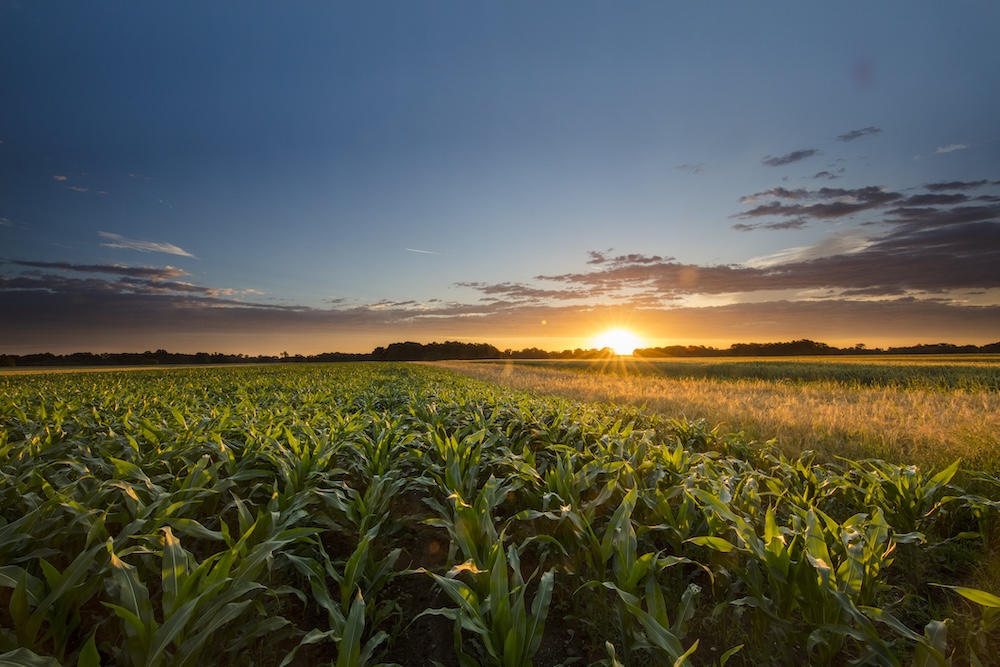
Growers are expected to grow more than 300,000 acres of soybeans in Georgia this year, says Nathan Smith, a Cooperative Extension agricultural economist with the University of Georgia College of Agricultural and Environmental Sciences. That's double the acreage of last year.

Soybean prices are around $8 a bushel now, he said, $2 higher than last year and the five-year average.

The sharp price increase is largely due to corn prices' being pushed up to $4 a bushel on the rabid demand of the U.S. ethanol boom. Buyers are offering more to make soybeans look as sweet as corn economically this year.

A potential problem with the acreage upsurge is Asiatic soybean rust, which has already been confirmed in seven places in five southwest Georgia counties this year.

Caused by a fungus, the disease has caused billions of dollars in damage in Brazil and other tropical countries for years. It was first found in the United States in 2004, most likely catching a ride from South America on a late-season storm.

Freezing temperatures kill this disease, and even south Georgia freezes. But the rust can overwinter on protected kudzu that isn't killed in winter, says UGA Extension plant pathologist Bob Kemerait. That's where it's been found so far this year.

The good news is that even though it can overwinter, the disease must be introduced anew to commercially grown Georgia soybeans each year. This has happened later in the summer when soybean plants have developed pods, Kemerait said. In Brazil, it's always around and can destroy fragile blooms.

Georgia's notoriously hot and often dry summers also keep the disease from spreading as it does in Brazil. There, it can travel hundreds of miles in a day.

Before the disease, Georgia farmers rarely sprayed fungicides to protect soybeans. It wasn't economical. But over the past two years, they've sprayed at least half the crop, and the disease still has caused some damage.

Due to the increase in acreage and expected higher value this year, Kemerait said, growers need to be ready to apply timely fungicides to protect the crop if the disease spreads early.

Another soybean pest now lives in north Georgia. The Asian soybean aphid was first discovered in the U.S. in Wisconsin in 2000, says Bob McPherson, a UGA research entomologist. It has since spread to more than 20 states, hitting Georgia in 2002.

Left untreated, the 10th-of-an-inch insect can multiply quickly and cut yields by 40 percent in some northern states, he said.

These aphids like Georgia's winter weather and overwinter easily, he said. But they don't like the hot, dry summer, particularly in south Georgia, where most soybeans are grown.

Lady beetles, however, do like Georgia's weather year-round. And they're found in high numbers statewide. They don't hurt plants, McPherson said. But they love to eat aphids, particularly soybean aphids. They can be found munching on them in north Georgia.

The Asian soybean aphid will likely never reach a population able to damage Georgia soybean yields, he said. But they will continue to be monitored.

"They're still rascals that are good at adapting like all insects," he said. "I have seen some insects once under control adapt, and here we go again."


Back to Top
FORMATTED FILES
  View 'Clean' Text File
  PDF Format
  Email Text File
  Email WordPerfect File
 
AUTHOR
Brad Haire
College of Agricultural and Environmental Sciences
229-386-3800

(Brad Haire is a news editor with the University of Georgia College of Agricultural and Environmental Sciences.)

 
SOURCES
Bob Kemerait
229-386-7495
Bob McPherson
229-386-7141
Nathan Smith
229-386-3512


Georgia FACES Calendar | Economics | Environment | Home & Garden | Lifestyles | Science | State & Region | Latest News
Media Resources | Tips & Trivia | Q&A | Special Info Sites | Images | Infographics | Other News | Search Archives
UGA Home | CAES Home | GA FACES Home | Subscribe Me! | About Us | Contact Us
"News to use about Georgia Family, Agricultural, Consumer & Environmental Sciences" © 2009 The University of Georgia College of Agricultural and Environmental Sciences
An equal opportunity/affirmative action organization committed to a diverse work force