The University of Georgia College of Agricultural and Environmental Sciences
Georgia FACES SEARCH STORIES:  
"News to use about Georgia Family, Agricultural, Consumer & Environmental Sciences"    November 22, 2009


  Calendar
  Economics
  Environment
  Home and Garden
  Lifestyles
  Science
  State & Region

The University of Georgia
UGA Home
CAES Home
GA FACES Home
 
Latest News
Media Resources
Tips & Trivia
Q&A
Special Info Sites
Images
Infographics
Other News
Search Archives
 
Subscribe Me!
About Us
Contact Us
   
 
June 28, 2007
 
Classes focus on choices, options
 
Workshops help producers deal with dwendling hay supply.
 
Georgia’s extreme drought has devastated pastures, and hay supplies are all but gone. Cattlemen are struggling to feed their herds. University of Georgia experts are working to educate them on how to weather the situation better.
Complete Story

By Sharon Omahen
University of Georgia

Georgia’s extreme drought has devastated pastures, and hay supplies are all but gone. Cattlemen are struggling to feed their herds. University of Georgia experts are working to educate them on how to weather the situation better.

A series of workshops will provide producers across the state with information on marketing strategies, the tax implications of weather-forced sales, emergency forage choices and much more, said Dennis Hancock, an agronomist with the UGA College of Agricultural and Environmental Sciences.

A cooperative effort

In planning the information sessions, Hancock, and other UGA CAES specialists, worked closely with representatives from the Georgia Cattlemen’s Association, the Georgia Farm Bureau, the Georgia Milk Producers, the Georgia Department of Agriculture and the Georgia governor’s office.

The first workshop was held in Calhoun, and future sessions are set for Dahlonega (July 2), Macon (July 5), Athens (July 9), Plains (July 16), Bainbridge (July 17) and Statesboro (July 19). Additional dates may be added.

Along with the workshops, Hancock said, cattlemen can find information at the Web site www.georgiaforages.com.

Cold, drought and ethanol

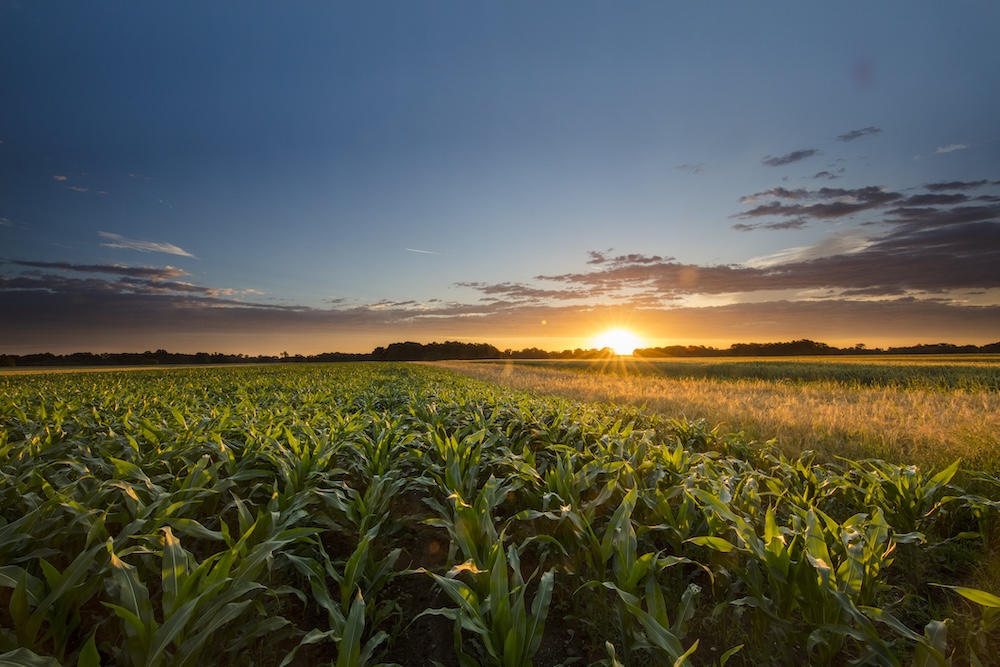
A late spring freeze and a severe drought now has severely decreased hay production in Georgia and the Southeast, he said. And land that was once planted for hay in other regions is now being used to grow corn for the current ethanol boom.

"Hay supplies are very tight nationwide," Hancock said. "They're actually the lowest they've been in over 50 years.”

Cattlemen are paying double what they normally would for hay. "And despite the price, the quality is low,” he said.

Be careful what you buy

Hancock is warning cattlemen to be leery of hay. People are now selling low-quality material, he said.

"Farmers are desperate and are tempted to take just about anything they can get,” he said.

Suspicious hay can be tested for quality at local UGA Cooperative Extension offices.

Withered pastures, alternative feeds

The drought has limited the growth of Georgia's pastures, too. Withered pasture grasses can't compete against summer annual weeds that are often much more tolerant of drought conditions.

"The shorter the grasses are grazed, the lower the quality of the forage," Hancock said.

To feed their herds, farmers are turning to alternative feeds such as soybean hulls, corn gluten feed and cottonseed, he said. "These sources can replace a substantial amount of hay and are very cost effective," Hancock said.

Before developing alternative livestock diets on their own, Hancock tells farmers to check with their county agent. "They can help producers develop a ration based on what they have available to them," he said.

Converting drought-stressed crops such as pearl millet, sorghum-sudan and corn into animal feed can be helpful, he said, but the potential for nitrate toxicity is very high.

County agents can also help farmers keep their cattle from becoming ill by conducting a field test on pasture grasses. “At $10, it’s a good inexpensive insurance policy,” Hancock said. “It’s much better than losing am animal or a whole herd.”

Focus on finances

Hancock tells struggling farmers to view each animal as an investment. “Whatever animal you invest in, there should be a return," he said. “Look at the economics of your situation and get your animal population down to a manageable size.”

Once this is accomplished, Hancock advises farmers to develop a balanced ration based on the size and number of cattle or other livestock.


Back to Top
FORMATTED FILES
  View 'Clean' Text File
  PDF Format
  Email Text File
  Email WordPerfect File
 
AUTHOR
Sharon Omahen
College of Agricultural and Environmental Sciences
770-229-3219

(Sharon Omahen is a news editor with the University of Georgia College of Agricultural and Environmental Sciences.)

 
SOURCE
Dennis Hancock
706-542-1529
 
 
RELATED WEB SITES
  UGA Georgia Forages


Georgia FACES Calendar | Economics | Environment | Home & Garden | Lifestyles | Science | State & Region | Latest News
Media Resources | Tips & Trivia | Q&A | Special Info Sites | Images | Infographics | Other News | Search Archives
UGA Home | CAES Home | GA FACES Home | Subscribe Me! | About Us | Contact Us
"News to use about Georgia Family, Agricultural, Consumer & Environmental Sciences" © 2009 The University of Georgia College of Agricultural and Environmental Sciences
An equal opportunity/affirmative action organization committed to a diverse work force