The University of Georgia College of Agricultural and Environmental Sciences
Georgia FACES SEARCH STORIES:  
"News to use about Georgia Family, Agricultural, Consumer & Environmental Sciences"    November 23, 2009


  Calendar
  Economics
  Environment
  Home and Garden
  Lifestyles
  Science
  State & Region

The University of Georgia
UGA Home
CAES Home
GA FACES Home
 
Latest News
Media Resources
Tips & Trivia
Q&A
Special Info Sites
Images
Infographics
Other News
Search Archives
 
Subscribe Me!
About Us
Contact Us
   
 
July 5, 2007
 
Proper planting essential to success
 
Scientists help African farmers cope with the weather.
 
Gerrit Hoogenboom and Moussa Sanon, two scientists normally separated by the Atlantic Ocean, don't just talk about the weather. They're doing something about it, in an effort to help some farmers who need a break.
Complete Story
Photo: Moussa Sanon
Six-year-old Landry Sanon enjoys a dish of "to," a paste made from sorghum, millet or maize flour. Residents of Burkina Faso rely on these crops as sources of food for humans, not animals.

By Sharon Omahen
University of Georgia

Gerrit Hoogenboom and Moussa Sanon, two scientists normally separated by the Atlantic Ocean, don't just talk about the weather. They're doing something about it, in an effort to help some farmers who need a break.

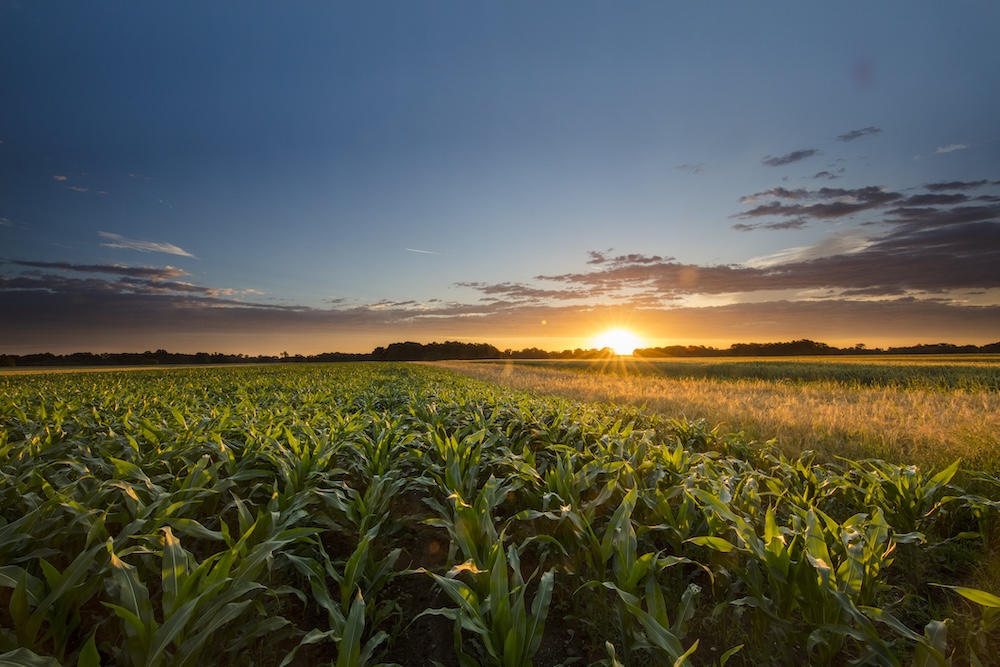
Farmers in the African country of Burkina Faso, like many of their American counterparts, grow sorghum, millet and corn. The big difference is that in Burkina Faso, these crops feed humans, not animals.

Expert help on the weather

To help these farmers help themselves, Sanon traveled from Africa to the University of Georgia to work with Gerrit Hoogenboom, a world-renowned expert in agrometeorology and crop modeling.

"Burkina Faso is landlocked, and it's one of the poorest countries in the world," said Hoogenboom, an agricultural engineer with the UGA College of Agricultural and Environmental Sciences. "And 80 percent of the population there is engaged in subsistence agriculture."

Sanon is a researcher with the National Environmental and Agricultural Research Institute in Ouagadougou, Burkina Faso. He's using Hoogenboom's crop modeling software to develop planting options for Burkina Faso farmers.

Predicting the weather

"Crop simulation models can predict local crop growth and development based on weather and soil conditions and crop management scenarios," Hoogenboom said. "Burkina Faso has dry winters and hot, wet summers. The climate seriously restricts what the farmers can grow."

African farmers are eager for Sanon to complete his work. During a workshop led by UGA CAES anthropologist Carla Roncoli, the farmers said the rainy season is the most critical component of their cropping system.

“Due to the uncertainty of the start of the rainy season, farmers plant a mix of varieties as a type of insurance against crop failure,” Hoogenboom said. “If they plant too early or too late, their crop fails. Having advanced weather and climate information available before the country's rainy season will be invaluable to them.”

Here in America, Sanon is comparing data from three growing seasons in Africa with data from U.S. field trials. He's testing four millet and eight sorghum varieties.

Millet flour and sorghum beer

U.S. farmers grow these crops primarily as animal feeds and more recently as bioenergy crops. "In my country," Sanon said, "we rely on sorghum and millet as main crops that are used for food. We use the leaves and stems to feed our animals and build sheds and barns. We use the grains of sorghum, millet and maize plants for flour to make paste, couscous, gruel and cake."

Sorghum grain is also used to make a local beer, and millet flour is used to make a soft drink called “zoomkoon,” he said.

In some areas of Burkina Faso, millet flour is used to make biscuits. "It grows well in these parts of the country because it's very dry there,” he said. “Millet is also the only grain cereal crop that can grow there because it’s very drought-resistant.”

Sanon's visit to UGA is sponsored by the Fulbright Scholar Program. The Fulbright program has funded development-abroad projects for more than 275,000 university faculty members since 1946.

While visiting in the U.S., Sanon misses many of the traditional African dishes he can't find here. But he's enjoying eating American foods, too. "We eat a variety of vegetables at home, but they're much cleaner here," he said. "In the United States, I'm not afraid that there are parasites on the fresh vegetables I buy."


Back to Top
FORMATTED FILES
  View 'Clean' Text File
  PDF Format
  Email Text File
  Email WordPerfect File
 
AUTHOR
Sharon Omahen
College of Agricultural and Environmental Sciences
770-229-3219

(Sharon Omahen is a news editor with the University of Georgia College of Agricultural and Environmental Sciences.)

 
SOURCES
Gerrit Hoogenboom
770-229-3438
Moussa Sanon
770-229-3437
msanon@uga.edu
 
 
RELATED WEB SITES
  The Fulbright Program
 
MULTIMEDIA

Graphics included in this story:
  LSanon.jpg
  LSanon2.jpg

Photo: Moussa Sanon
Large resolution photograph of Landry Sanon eating "to."


Georgia FACES Calendar | Economics | Environment | Home & Garden | Lifestyles | Science | State & Region | Latest News
Media Resources | Tips & Trivia | Q&A | Special Info Sites | Images | Infographics | Other News | Search Archives
UGA Home | CAES Home | GA FACES Home | Subscribe Me! | About Us | Contact Us
"News to use about Georgia Family, Agricultural, Consumer & Environmental Sciences" © 2009 The University of Georgia College of Agricultural and Environmental Sciences
An equal opportunity/affirmative action organization committed to a diverse work force