The University of Georgia College of Agricultural and Environmental Sciences
Georgia FACES SEARCH STORIES:  
"News to use about Georgia Family, Agricultural, Consumer & Environmental Sciences"    November 23, 2009


  Calendar
  Economics
  Environment
  Home and Garden
  Lifestyles
  Science
  State & Region

The University of Georgia
UGA Home
CAES Home
GA FACES Home
 
Latest News
Media Resources
Tips & Trivia
Q&A
Special Info Sites
Images
Infographics
Other News
Search Archives
 
Subscribe Me!
About Us
Contact Us
   
 
September 12, 2007
 
Be a doctor to your plants
 
Treat them as you'd treat yourself.
 
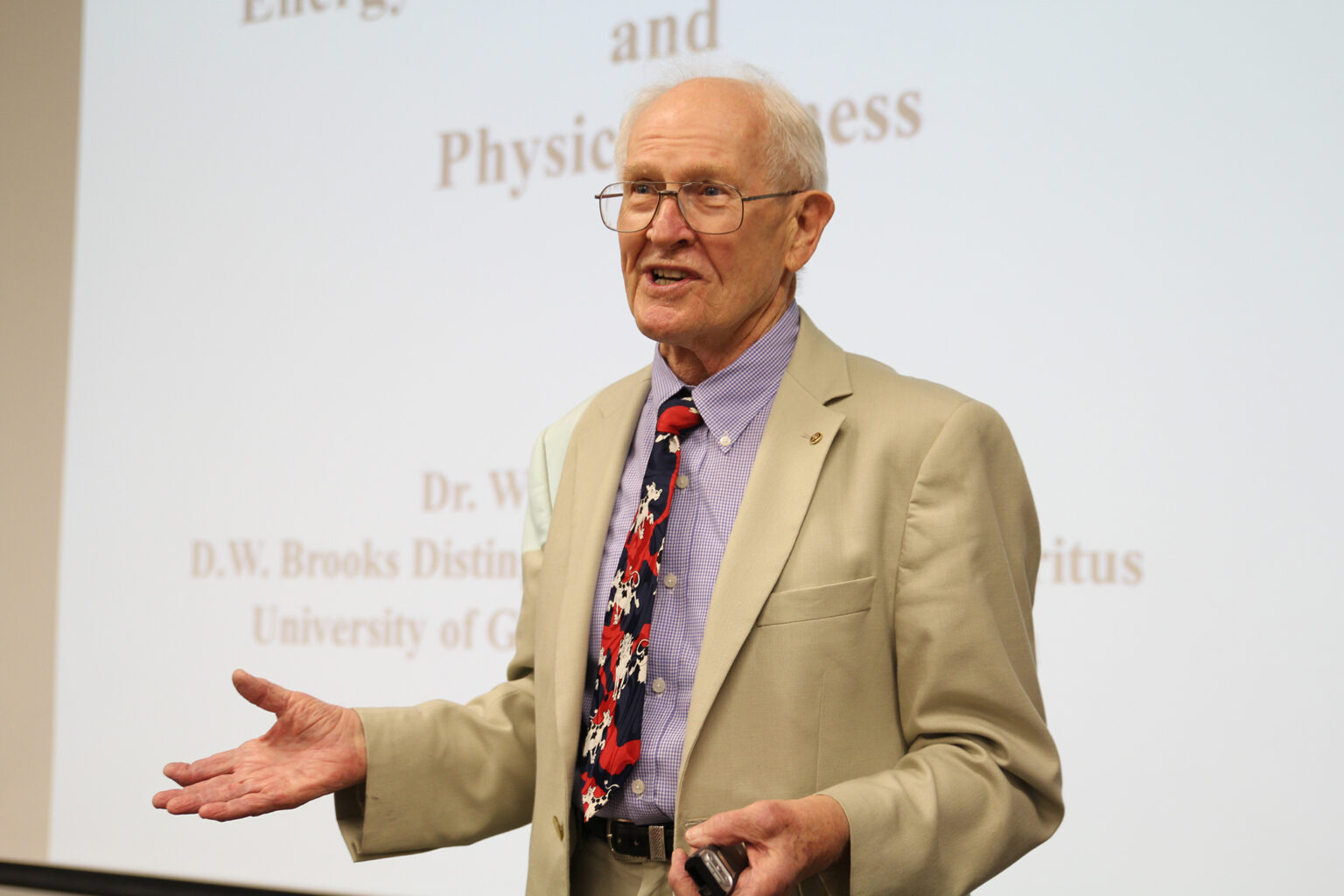
Willie Chance isn’t a doctor, but he thinks like one. Chance, the University of Georgia Cooperative Extension agent in Houston County, helps homeowners bandage and prevent injuries and illnesses on their landscape plants.
Complete Story

By Sharon Omahen
University of Georgia

Willie Chance isn’t a doctor, but he thinks like one. Chance, the University of Georgia Cooperative Extension agent in Houston County, helps homeowners bandage and prevent injuries and illnesses on their landscape plants.

“When we go to the doctor, we want a shot so we’ll feel better right away,” Chance said. “We don’t want to be told we need to cut back on certain foods and increase our intake of water and vitamins.”

Homeowners react the same way when Chance tells them how to solve their landscape problems. What they need to do isn’t always what they want to do.

Fertilizer isn't food

“A lot of people rely heavily on fertilizer as the magic cure-all,” Chance said. “Fertilizer for a plant is like vitamins for us. It provides nutrients, but it’s not a food source.”

Fertilizer does provide nutrients so that a plant can make its own food through photosynthesis, he said. However, fertilizer usually won’t “cure” a plant of its aliments, he said.

“Nutrient deficiency will stunt a plant, but it doesn’t kill them very often,” Chance said. “You also have to add the correct nutrient. If I’m calcium deficient, it won’t help for me to pump myself full of Vitamin C.”

Don't over water

People need water to survive and so do plants. But don’t give your plants too much of a good thing. “When a person tells me they know their problem isn’t water-related, I know it very likely is,” he said. “People are actually killing plants during a drought by watering them too often.”

Watering plants too much can actually cause more harm than good. Excess water deprives roots of oxygen and creates a perfect environment for fungi and water molds to attack and kill roots, Chance said.

“It’s best to water your plants very deeply, once a week,” he said. “If you water every day you are creating a shallow root system. The secret is to water deeply and infrequently.”

Annual plants and vegetables should be watered twice a week.

React to emergencies

Just like with humans, emergency situations can lead to situations that contradict the rules.

“If your plant is wilted, give it water,” he said. “It’s like when a diabetic person’s blood sugar level drops. They aren’t supposed to eat sweets, but you give them a candy bar to bring their sugar level up quickly.”

When humans need surgery, they rely on anesthesia to prevent pain. Plants appreciate the same treatment, Chance said.

Woody plants should be pruned during their dormant period. For many plants this is December through March, he said.

“You can prune later,” Chance said. “But expect pruning during the growing season to slow plant growth more than dormant pruning.”

Spring flowering plants should be pruned after they bloom but before mid-July. “You want to prune before the new buds begin to form for next year,” Chance said. Prune non-blooming plants from late December through mid-September.

Be responsive

“Some people tell me all the things their landscape company has done, but they don’t admit to what they personally haven’t done,” he said. “A professional company just comes to your home once a month or so. You’re there every day.”

Just as humans are responsible for the upkeep of their bodies, homeowners are ultimately responsible for what they allow to happen in their landscape.

“When you go to doctor and find out you have high cholesterol and you’re over weight, the doctor isn’t going to talk to you about trimming your toenails,” he said. “You have to address the real problem -- not add a bandage to it and hope it heals itself.”

For landscape advice from your county UGA Extension agent call 1-800-ASK-UGA1.

(Sharon Omahen is a news editor with the University of Georgia College of Agricultural and Environmental Sciences.)


Back to Top
FORMATTED FILES
  View 'Clean' Text File
  PDF Format
  Email Text File
  Email WordPerfect File
 
AUTHOR
Sharon Omahen
College of Agricultural and Environmental Sciences
770-229-3219

(Sharon Omahen is a news editor with the University of Georgia College of Agricultural and Environmental Sciences.)

 
SOURCE
Willie Chance
478-987-2028


Georgia FACES Calendar | Economics | Environment | Home & Garden | Lifestyles | Science | State & Region | Latest News
Media Resources | Tips & Trivia | Q&A | Special Info Sites | Images | Infographics | Other News | Search Archives
UGA Home | CAES Home | GA FACES Home | Subscribe Me! | About Us | Contact Us
"News to use about Georgia Family, Agricultural, Consumer & Environmental Sciences" © 2009 The University of Georgia College of Agricultural and Environmental Sciences
An equal opportunity/affirmative action organization committed to a diverse work force